

Choosing a casino game is easier when the lobby gives you more than a long stream of thumbnails. Useful casino ranking criteria include game type, provider, format, novelty, demo availability and the clarity of bonus-related labels. Betscore brings slots, table games, live dealers, jackpots and instant games into one catalogue, while betscore casino canada offers an informational starting point for readers comparing the platform’s Canadian-facing options. The aim is not to predict a winning title, but to narrow a large selection into games that suit your preferences, budget and comfort level.
Start with the Game Categories That Match Your Intent
The first ranking criterion should be format. A player seeking a quick, simple round may prefer instant games, while someone interested in traditional mechanics might look through slots or table games. Jackpot titles appeal to those who enjoy progressive-style prizes, but the presence of a large potential payout does not make a game more likely to win. Categories help you compare like with like before examining individual titles.
Betscore’s lobby separates several useful routes, including Top, New, Popular, Exclusive, Bonus Buys, Megaways, Live Games, Instant Games, Jackpots, Slots and Table Games. These labels are more practical than treating every title as interchangeable. For example, a player who dislikes feature purchases can avoid Bonus Buys, while someone who enjoys changing reel structures can explore Megaways without searching the entire catalogue.
Live casino deserves separate consideration because it creates a different experience from automated games. The live lobby includes roulette, blackjack, baccarat, dice, poker and game-show formats, with streamed dealers and international tables. Ranking criteria therefore depend on purpose: compare speed, interaction and rules in live games, but compare themes, features and volatility indicators when reviewing digital slots.
Use Providers and Themes to Reduce the Catalogue
Provider information is valuable because studios often develop recognisable design styles, mechanics and interfaces. It is not proof that one supplier is better or more profitable than another, yet it can help you find games with familiar controls. Betscore lists providers such as Spinomenal, Yggdrasil, BGaming, Amusnet, Playson, Betsoft and Booming Games, giving players another way to narrow a broad catalogue.
Theme is a personal ranking criterion, but it should not be confused with game quality. Adventure, sweets, mythology, animals and classic fruit imagery can create very different visual experiences. A clear theme may make a game easier to remember, while a crowded design may distract from the paytable. Read the rules and feature descriptions rather than judging a title solely by its artwork or name.
Provider and category filters work best together. Someone interested in a live-dealer table can select the live section first, then investigate the listed live-oriented suppliers, including Lucky Streak, Imagine Live, SA Gaming, VivoGaming and CreedRoomz Live. For slots, combining a preferred provider with a format such as jackpots or standard video slots can produce a shorter, more manageable list.
Check Features, Rules and Demo Availability
Before ranking a game highly, inspect its information panel or paytable. Look for the winning combinations, bonus features, special symbols, reel configuration and any stated return-to-player figure. RTP is a long-term statistical measure, not a promise for a particular session. It also does not reveal how frequently wins occur, so it should be considered alongside the game’s overall design and risk profile.
Volatility is another useful comparison point when it is disclosed. Lower-volatility games may produce smaller outcomes more often, while higher-volatility games can have longer quiet periods and larger swings. These are broad descriptions, not guarantees. A short playing session cannot reliably establish a game’s volatility or prove its RTP, so treat both as reference information rather than a prediction.
Many casino titles in the catalogue offer demo play, which is useful for learning controls and seeing how a feature works without immediately committing real money. Demo mode cannot verify expected returns or reproduce the emotional effect of financial risk. Real-money play requires an account and login, so decide in advance whether the game fits your limits before moving beyond exploration.
Separate Popularity Labels from Personal Fit
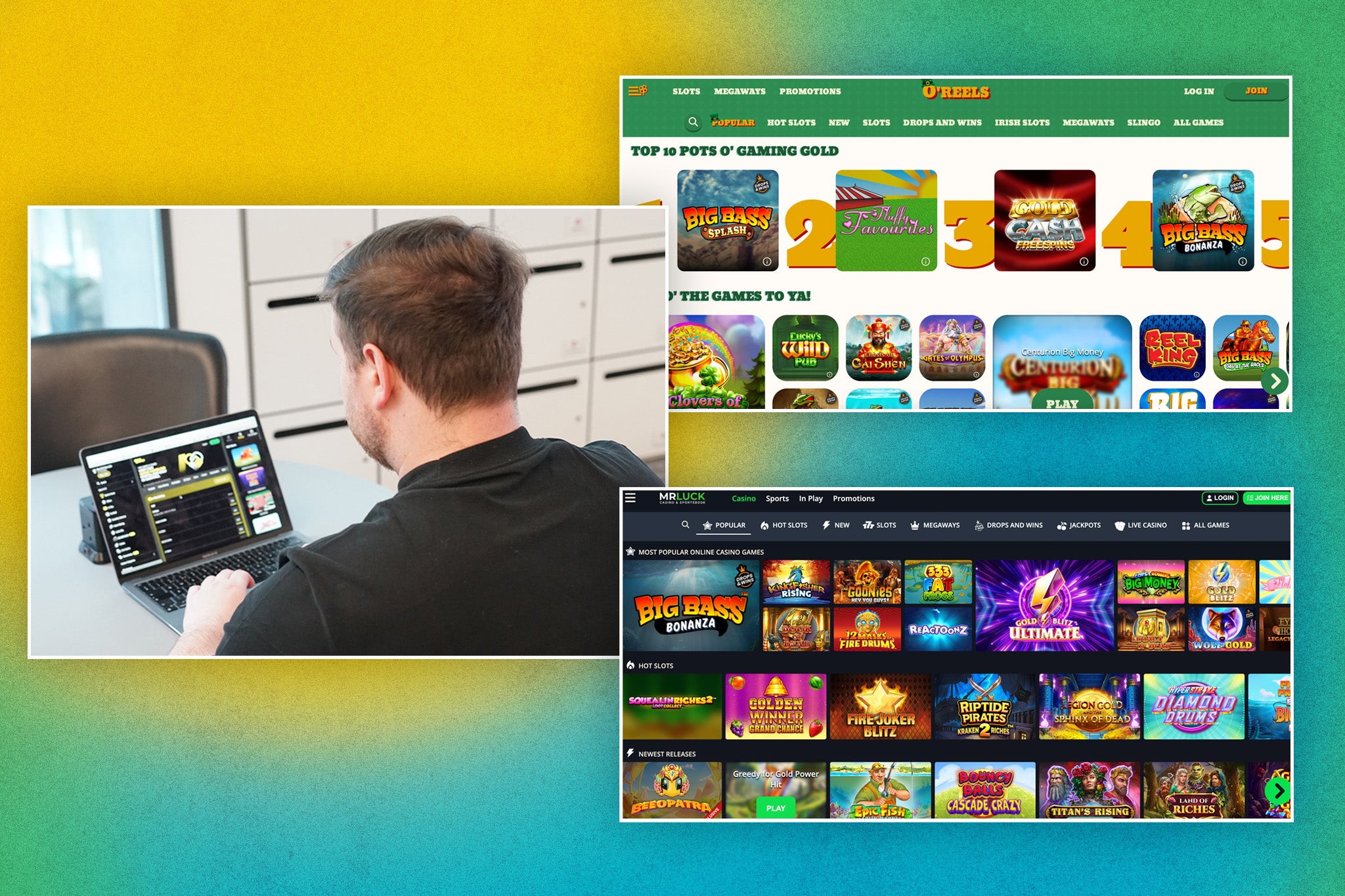
“Top” and “Popular” are convenient discovery labels, but they should not automatically determine your choice. A popular title may be widely played because of its theme, recent visibility or prominent placement, rather than because it suits your preferred pace or budget. Treat these sections as suggestions for exploration, then apply your own criteria to the games that attract your attention.
“New” and “Exclusive” can also be useful, especially for players who want to discover less familiar releases. Newness does not establish better mechanics, stronger value or a higher chance of winning. Similarly, an exclusive title may simply have a particular distribution arrangement. Read the game rules, check the available play mode and compare its features with alternatives in the same category.
A practical shortlist might contain three to five titles rather than dozens. Note each game’s category, provider, theme, disclosed RTP, volatility description, bonus mechanics and demo availability. Then remove anything that feels confusing or too aggressive for your intended session. Ranking games by personal fit encourages deliberate decisions instead of allowing a homepage label or attractive animation to set the agenda.
Review Bonus Labels Without Letting Them Decide
Bonus-related labels require extra caution because a game’s apparent appeal may change when promotional terms apply. Betscore’s welcome package is divided across qualifying deposits and has stated wagering, time and maximum-bet conditions. Games can contribute differently toward wagering, and the promotion must be understood before betting with a qualifying deposit. Those terms are separate from the underlying qualities of a game.
If you choose to compare games while a bonus is active, read the promotion’s eligible-game information first. A title may be entertaining but contribute partially, or not at all, toward a requirement. The presence of a Bonus Buy label also does not mean that purchasing a feature is suitable for every bankroll. Consider the stake, the rules and the possibility of rapid balance changes before using such options.
Promotions should be treated as an optional filter, not the main ranking system. First decide whether the game’s format, rules and pace suit you; then check whether its contribution and betting conditions fit the offer. Keep bonus funds distinct from cash funds, and remember that wagering requirements must be completed before promotional balances become withdrawable under the applicable terms.
FAQ
Does a popular casino game have better odds?
No. Popularity reflects player interest, visibility or current catalogue placement, not a guaranteed advantage. Compare the published rules, RTP information and volatility description where available. Even those details describe long-term mathematics rather than the result of one session, so popularity should be treated as a discovery aid only.
Can demo play prove that a game is fair?
Demo play can show the controls, paytable and feature sequence, but a short session cannot verify RTP or reliably establish volatility. Use it to decide whether the format is understandable and enjoyable. For real-money play, review the operator’s terms and set a limit before starting.
Should bonus eligibility be my main ranking criterion?
No. A bonus may affect wagering and game contribution, but it should not outweigh the game’s rules, pace or suitability for your budget. Check the applicable promotion before playing, including its qualifying conditions, expiry period, maximum-bet rule and game-weighting details.